Operations · Anywhere in the U.S.
Every business has an operating system. Most were never designed.
How an order moves, who decides, where the numbers live, what happens when someone’s out. We design it on purpose, test it, and keep it running.
OpsWorq designs, builds, and continuously improves the operational systems that allow a business to work as one organization.
What we usually notice
Operations problems rarely announce themselves.
- The same task done three different ways, depending on who’s working that day.
- A policy in a binder nobody has opened since it was written.
- Numbers collected every week and read by nobody.
- A problem found at month-end that was visible on day three.
- A handoff between two departments, each sure the other owns it.
Each one is small. Thousands of them compound.
What we build with you
Written down, measured, owned, and led.
- 01How work movesYour organization designed on purpose, not as the residue of every decision before it.
- 02Standards, SOPs & policiesThe way work gets done, written down and kept current.
- 03Numbers you trustSee what’s drifting while it’s still cheap to fix.
- 04People, roles & leadershipClear roles, real ownership, fewer fires.
- 05Automation & AIThe work that shouldn’t need a person stops needing a person.
- 06Books & accounting systemsBooks that close on time, and one person who coordinates with your CPA and attorney.
- 07Finance & legal, coordinatedYour CPA and your attorney get clean numbers and one point of contact.
- 08Technology (at opsworq.net)The systems underneath, run by our managed IT team.
- 09How customers find youYour website, listings, reviews and replies, run as one system.
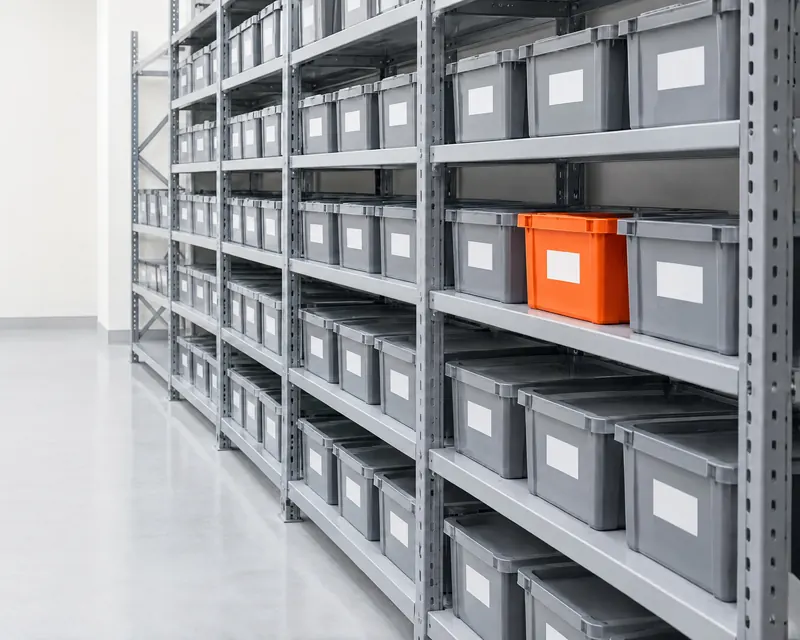
- The orange threadAccountable for the whole cloth.
How work moves
Process and operating model, designed on purpose.
We map how work, information and decisions actually move through your company: who touches an order, where it waits, which system holds the truth. Then we redesign the parts that cost you speed. Sometimes that means automating. More often it means removing a step, merging two lists, or giving a handoff an owner.
Six stages, one test gate, then it repeats. How we work
What’s underneath
- Process mapping
- Information flow
- Dependency analysis
- Role and handoff design
- Operating model
- Cost and friction analysis
The honest comparison
What each kind of provider actually covers.
Stated fairly, including where the alternatives are genuinely good.
| What it covers | A typical consultant | A typical agency | A typical IT provider | OpsWorq |
|---|---|---|---|---|
| Maps how the whole business actually works | Often | No | No | Yes |
| Asks whether a process should exist before automating it | Sometimes | No | No | Yes |
| Builds what it recommends | Rarely | Their part | Their part | Yes |
| Tests changes before they go live | Varies | Varies | For IT changes | Every change |
| Runs it afterwards and reports on it | No | Sometimes | IT only | Yes |
| Publishes its rates | Rarely | Sometimes | Sometimes | Yes |
| One party accountable for the whole thing | No | No | No | Yes |
Most companies need more than one column. Some of the best people in each column are very good; this table is about scope, not quality.
Who it’s for
It turns on complexity, not headcount.
When work crosses several departments, moves through systems that don’t talk to each other, and waits on handoffs nobody owns, this pays for itself. When one person can hold the whole business in their head and run it well, it’s usually too early, and we’ll say so. Two exceptions: startups, because designing early is cheaper than excavating later, and owner-operators the business has started to bury.
Pricing
What it costs.
Short, specific jobs are hourly at $150. Discovery and projects are quoted per client and fixed in writing before they start; discovery and the Operational Map typically run $3,000 to $6,000. An operations partnership keeps it running afterwards. The map is yours whether or not you continue.
Every rate, every termIn your advisor’s languageFor your attorney, CPA or operations lead
- Standard operating procedures (SOPs) and work instructions
- Process mapping (SIPOC, swimlane)
- RACI and role design
- Internal controls and segregation of duties
- Document control
- Process maturity
- Key performance indicators, leading and lagging
- Balanced scorecard
- Continuous improvement (Lean, Kaizen, PDCA)
- Root-cause analysis
- Organizational development and change management
- Interim and fractional executive leadership
Questions
Questions people ask.
We already have an IT provider. Does this replace them?
No. Operations work sits above whoever runs your IT, and works with them. If you’d like us to run the IT too, that’s our managed IT team at opsworq.net. If your current provider is good, we’ll say so.
Are you going to rip out our systems?
Usually not. Sometimes the technology isn’t the problem at all: it’s a process nobody designed or a handoff nobody owns, and new software would just move the failure. When we do recommend replacing something, you get the reasoning, the cost, and the option of leaving it alone.
What do you need from us?
Short interviews with the people who actually do the work, not just leadership, and a decision-maker who can approve change. The second is the real prerequisite.
How long before we see anything?
The map arrives in weeks, not months, and it’s useful on its own. Most engagements produce a visible change inside the first phase, because discovery almost always surfaces something worth fixing straight away. Redesigning how the business runs takes months, and we’ll tell you that up front.
What if we’re not ready to change anything?
Then we’re probably not the right fit yet, and we’ll say so. OpsWorq is for companies that want to get better.
A business with written standards, numbers it trusts and a team that owns its work is a business someone else can verify. That’s exactly what a buyer, a partner or a franchisee will do.
Growth & ExitTalk to us
Tell us what isn’t working.
A sentence is plenty. A person replies within one business day.
1‑855‑OPSWORQ855‑677‑9677 · Mon–Fri, 8am–5pm ET
Sent. Thank you.
A person replies within one business day. Nothing is sold, and you’re not added to a mailing list.